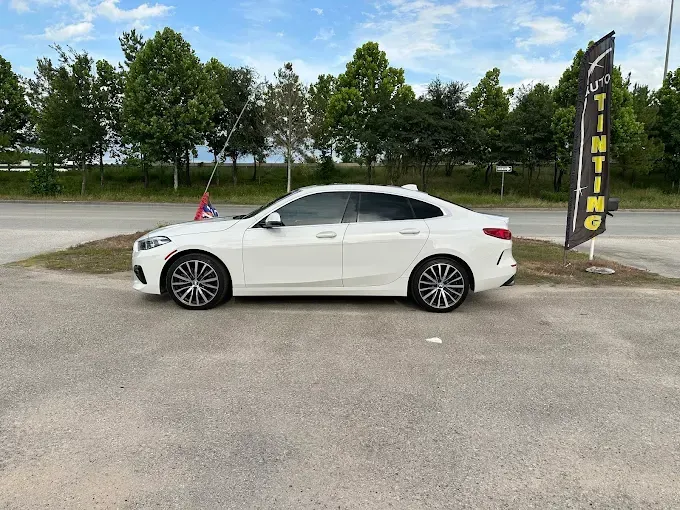
Night Driving in Porter, TX: How Window Tint Affects Your Visibility If you drive at night around Porter, TX, along US-59, through rural stretches toward New Caney, or on the low-lit backroads connecting Montgomery and Harris County, you have likely wondered whether window tint affects how clearly you can see after dark. The short answer is yes, it can. But the real answer is more nuanced: the impact on night driving visibility depends on the VLT percentage of your film, the type of film installed, and the quality of the installation itself. What VLT Is and Why It Matters at Night Visible Light Transmission (VLT) is the percentage of light that passes through both the window film and the glass combined. The lower the VLT number, the darker the tint and the less ambient light reaches the driver’s eyes. During the day, your eyes have plenty of light to work with, so a darker film rarely causes problems. At night, your eyes depend entirely on available ambient light, streetlights, headlights, moonlight, to perceive depth, distance, and movement. When a film blocks too much of that light, reaction times slow and peripheral awareness narrows. For night driving visibility, front windows with a VLT of 35% or higher strike a reliable balance between tint shade and clarity. Going significantly darker on front windows reduces the light available to your eyes precisely when it matters most. How Different Film Types Perform at Night Not all window films behave the same way after dark. Film type is one of the most important factors in determining how your tint performs in low-light conditions. Dyed Film Dyed films are generally the most affordable option and provide solid UV protection and privacy. In a general sense, lower-tier dyed films from some manufacturers can reduce nighttime clarity more noticeably than other film types, particularly at darker shades. Higher-quality dyed films, such as those made by HITEK Films, are engineered to minimize this issue while still delivering effective tint performance. Carbon and Metallic Film Carbon and metallic films offer improved heat rejection compared to basic dyed options. These films typically perform better at night, though metallic variants can occasionally produce a faint color cast under certain lighting conditions depending on the specific product and manufacturing quality. Ceramic Film Ceramic film is the strongest performer for night driving. Because it rejects heat through infrared-blocking technology rather than by absorbing or darkening visible light, ceramic film maintains sharp outward clarity even in low-light conditions. High-quality ceramic films, such as those made by HITEK Films, are specifically designed to deliver this balance of heat rejection and optical precision. The Night Benefit Most Drivers Miss Most people assume window tint is a purely negative factor at night. That assumption overlooks one of the most practical benefits of quality film: glare reduction. Modern vehicles use LED and HID headlights, which produce intense, concentrated light. On routes like US-59 through Porter and Kingwood, oncoming headlight glare is a real and frequent hazard. A properly selected ceramic film filters that harsh incoming light without reducing the ambient visibility you need to see the road clearly. This distinction matters: glare reduction and light blockage are separate effects. A quality film reduces the first without significantly causing the second. Why Installation Quality Affects Night Visibility Film selection is only part of the equation. Even a well-chosen VLT level produces poor night visibility when installation is flawed. Bubbles, film contamination, and imprecise cuts scatter incoming light and create visual haze. At night, this effect is amplified, oncoming headlights diffract through imperfections in the film and create distracting distortion across your field of view. Precision installation with manufacturer-certified film eliminates these issues entirely and is the standard for any professional result. Frequently Asked Questions Does window tint make it harder to see at night? It can, if the VLT is too low or the film quality is poor. High-quality films installed at legal VLT levels have minimal impact on night driving visibility for most drivers. What VLT is best for night driving? A VLT of 35% or higher on front windows is widely recommended for drivers who spend significant time driving at night. Rear windows offer more flexibility since drivers use mirrors rather than direct rear view. Is window tint legal on front windows in Texas? Yes. Texas law requires front side windows to allow at least 25% VLT. Rear windows have no VLT restriction, provided the vehicle is equipped with dual side mirrors. Does ceramic tint affect night vision? No. Ceramic tint is the best option for night driving because it rejects heat without blocking ambient light, and it reduces harsh headlight glare from oncoming traffic without distorting your view.
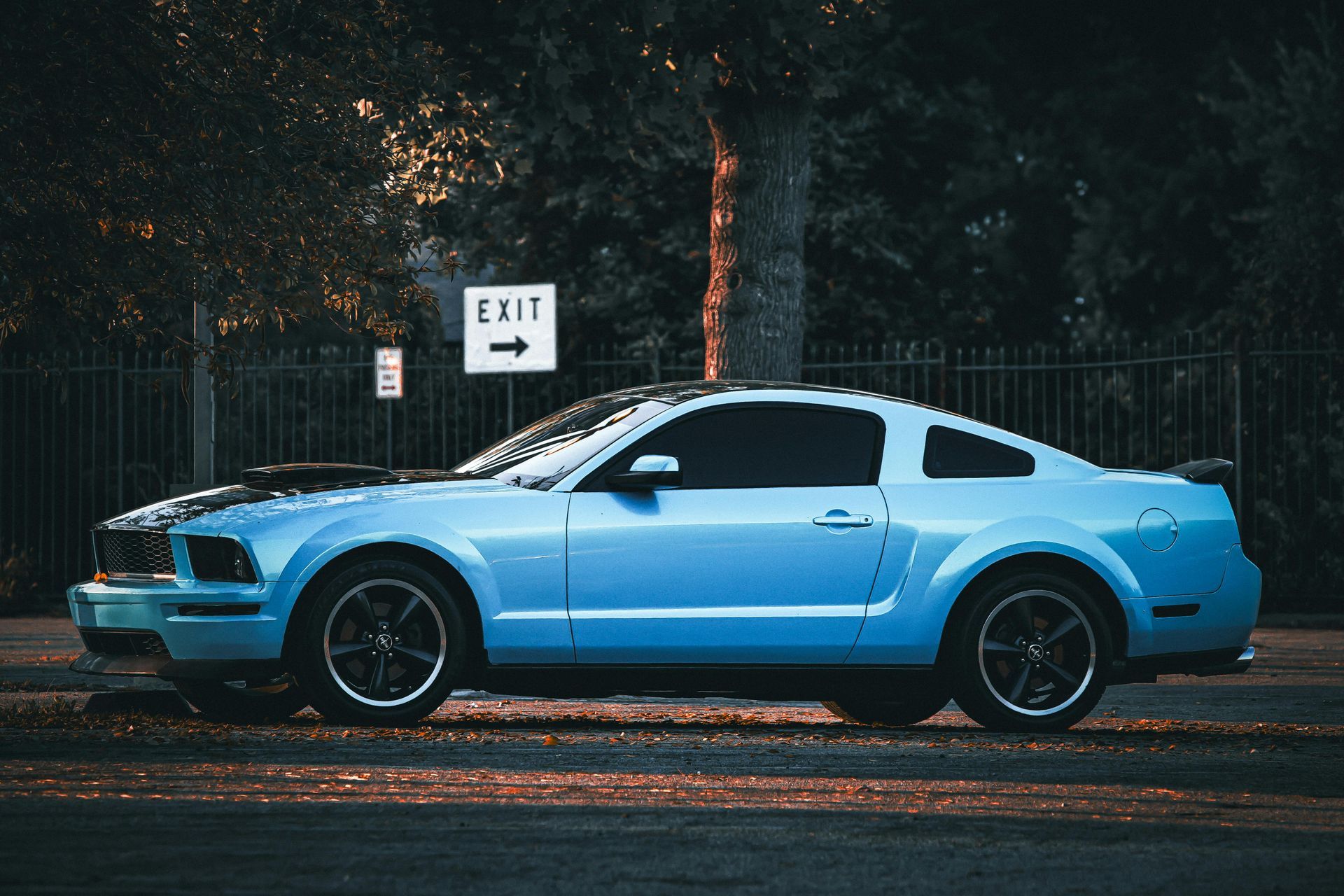
Does Ceramic Tint Really Reduce Heat in Porter, TX? Porter, TX drivers face intense summer heat with average highs near 95°F and high humidity that traps solar energy inside vehicles. Many wonder if ceramic tint delivers on heat-blocking claims amid Texas conditions. This guide examines the science, performance data, and local factors to provide clear answers. How Ceramic Tint Blocks Heat Ceramic tint uses nano-ceramic particles to target infrared radiation, the main heat source from sunlight. These particles block a high percentage of infrared rays without darkening windows excessively, unlike dyed films. Total Solar Energy Rejection (TSER) measures overall performance, where quality ceramic options excel in hot climates like Porter. This technology maintains clarity over time. Dyed films can fade depending on the manufacturer, reducing effectiveness after a few years. Ceramic films, such as those made by HITEK Films, resist breakdown for longer periods. Ceramic Tint Versus Other Types Ceramic tint outperforms dyed and basic carbon films in heat rejection. Dyed tints primarily absorb visible light and offer limited infrared blocking, leading to quicker interior heat buildup. Standard carbon tints improve on this but still fall short of ceramic’s infrared focus. Ceramic blocks more near-infrared rays, keeping interiors cooler during peak Porter afternoons. Carbon provides good UV protection but allows more heat penetration over long drives. Dyed films fade faster in intense sun, depending on the manufacturer, while ceramic maintains performance. All reduce glare, yet ceramic preserves night visibility best. These differences matter in Montgomery County, where unshaded parking amplifies radiant heat. Ceramic Tint in Porter TX Conditions Porter’s humid subtropical climate intensifies solar gain, with UV indexes often exceeding 10 in summer. Ceramic tint counters this by rejecting infrared before it enters the cabin, reducing the need for constant air conditioning. Local drivers report noticeable differences in comfort during commutes along FM 1314. Humidity in the area worsens heat soak in untreated vehicles. Ceramic films address this directly, maintaining effectiveness year-round. HITEK Films options suit these demands with stable compositions. Without proper tint, dashboards crack from prolonged UV exposure. Ceramic cuts UV transmission, protecting interiors from fading and warping. Heat buildup strains AC systems, increasing wear over time. Consistent performance aids safer driving in variable Texas weather. Proof of Heat Rejection Real-world tests confirm ceramic tint’s impact. Vehicles with ceramic applications stay cooler by a measurable margin compared to factory glass or lesser tints. Infrared thermometers show reduced surface temperatures on seats and steering wheels after sun exposure. User experiences align with lab data. Drivers in similar Texas areas note less sweat and fatigue on hot days. Longevity adds value, as ceramic resists purple hues that plague inferior products. Parking in direct sun raises cabin temps rapidly without tint. Ceramic provides stable rejection rates season after season. Comparisons reveal ceramic outperforming alternatives consistently. Clarity remains high, avoiding the haze some films develop. FAQs Does ceramic tint block more heat than carbon? Yes, ceramic targets infrared more effectively than carbon, leading to cooler interiors. Is ceramic tint legal in Porter TX? Texas allows at least 25% Visible Light Transmission on front side windows. Back and rear can be darker. Always verify current state rules. How much heat does ceramic block in Texas summers? It rejects a high percentage of total solar energy, often resulting in cooler cabins during peak heat. Is ceramic tint worth it for Porter heat? For frequent drivers, yes. It offers lasting comfort and protection in local conditions. What makes ceramic tint different? Nano-particles block infrared without metals, avoiding interference and signal issues.